.png)
The Revolution of Comfort and Mobility: Understanding the Tilt-in-Space Wheelchair

For many individuals, a wheelchair is not just a tool for transportation, it is their primary seat, their office, their relaxation space, and their interface with the world. When a person spends the majority of their waking hours in a seated position, conventional wheelchairs often fail to provide the necessary support for long-term health and comfort. This is where the tilt-in-space wheelchair becomes a transformative solution.
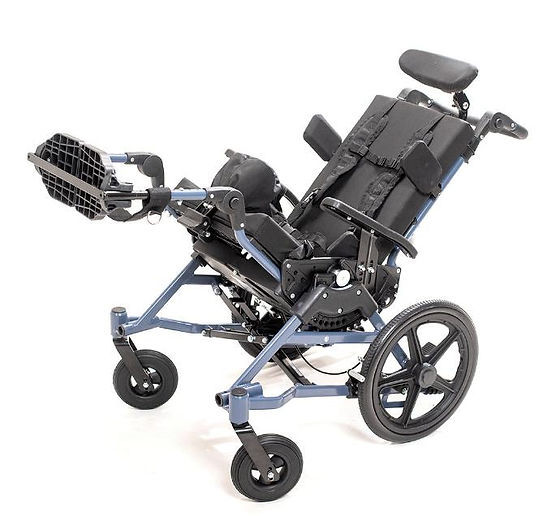
By allowing the entire seating system to reorient without changing the angle between the seat and the back, tilt-in-space technology offers a level of therapeutic support that standard chairs simply cannot match.
In this article, we will explore the mechanics, clinical benefits, and life-changing potential of this technology, with a special focus on innovative designs like the Cub pediatric wheelchair.
What Exactly is a "Tilt-in-Space" Wheelchair?
To understand a tilt-in-space wheelchair, it helps to first visualize sitting in a chair. Over time, gravity pulls your body downward, leading to slouching, pressure buildup on the buttocks and tailbone, and fatigue as your muscles work to keep you upright.
A tilt-in-space wheelchair is designed to combat these issues. Unlike a recline feature, which opens the angle between the backrest and the seat (potentially causing the user to slide forward or lose postural alignment), tilt-in-space keeps the user’s hips, knees, and ankles at a fixed, comfortable angle, typically 90 degrees. Instead of the backrest moving independently, the entire seat module tilts backward as a single, unified structure.
When you tilt the chair, you are essentially changing the orientation of the entire body relative to gravity. This shift moves the center of gravity and redistributes the weight of the torso, head, and limbs across the backrest and seat surface, rather than concentrating all the pressure on the pelvic region.

The Clinical and Daily Benefits of Tilting
Why is this shift so important? For individuals with limited muscle strength, neuromuscular conditions, or mobility impairments, the ability to tilt offers several critical advantages.
1. Pressure Relief and Skin Integrity
The most common medical application for tilt-in-space chairs is pressure management. Prolonged sitting causes blood flow to be restricted in bony areas like the sacrum (tailbone) and the ischial tuberosities (the sit bones). If this pressure isn't relieved regularly, it can lead to painful, dangerous pressure ulcers (bedsores). By tilting the chair backward, the user or caregiver shifts the body weight from the buttocks to the back and thighs, allowing blood to circulate freely in the high-risk zones.
2. Improved Posture and Stability
Gravity is a constant challenge for those with compromised trunk control. Without proper support, users often experience sacral sitting, a slouched posture that puts strain on the spine. Tilt-in-space chairs facilitate a more neutral posture. By using gravity to keep the user firmly positioned in the back of the seat, these chairs provide a stable base that helps maintain spinal alignment and prevents the user from sliding or leaning precariously.
3. Respiratory and Digestive Health
When gravity forces a person intoo slump, their internal organs are compressed. This restriction can make it difficult for the lungs to fully expand, leading to shallower breathing and an increased risk of respiratory issues. Tilting the chair back opens the thoracic cavity, making it easier for the diaphragm to function and improving overall breathing capacity. Similarly, reducing compression on the abdomen can assist in better digestion and comfort after meals.
4. Reduced Fatigue
Remaining upright requires constant, active muscle engagement. For someone with a chronic illness or muscle weakness, this is exhausting. A tilt-in-space chair allows the user to rest their back muscles and reset their posture throughout the day. This reduces overall fatigue, allowing the user to stay out of bed and engage with their family or community for longer periods.
Cub - The Ideal Tilt-in-Space Pediatric Wheelchair
While tilt-in-space technology is a game-changer, its effectiveness is often tied to the quality and versatility of the equipment. A standout example is the Cub wheelchair.

Cub is a prime example of how modern engineering can make high-end medical seating portable, accessible, and user-friendly. It is designed specifically to address the needs of growing children and young teens, combining rigorous medical-grade support with the freedom to explore.
Key Features of the Cub:
Dynamic Tilt Range: Cub allows for tilting from -9° to 45°. This wide range is essential for caregivers to manage pressure relief while also finding the perfect angle for feeding, resting, or just socializing.
Exceptional Growability: One of the biggest challenges for families is the rapid growth of children. Cub features a highly adjustable hip width range (7 ½” to 14 ⅜”), meaning the chair grows with the child, significantly extending the lifespan of the equipment.
Portability and Travel-Friendliness: Unlike many bulky specialized wheelchairs, Cub is built with a split-unit aluminum frame that is easy to lift. It folds quickly, allowing it to fit into the trunk of a compact car or even be transported as baggage on an airplane.
All-Terrain Capabilities: The design philosophy behind Cub is "adventure-ready." Whether navigating rough sidewalks, trails, or parks, the chair is ruggedized for outdoor use. This empowers children to participate in activities that might be impossible with a traditional, indoor-only mobility device.
Customizable Comfort: With adjustable recline, headrest, and foot support, Cub can be tailored to the specific anatomical needs of the user. The inclusion of an activity tray also highlights how the chair is meant to be a central part of the user's daily life, not just a transport device.
Who is a Tilt-in-Space Wheelchair For?
You might wonder if a tilt-in-space wheelchair is right for your situation. These chairs are generally prescribed by healthcare professionals,such as physical or occupational therapists,for individuals who:
Lack the physical strength to perform their own weight shifts.
Are at a high risk for pressure injuries and require frequent, controlled repositioning.
Experience postural instability or have conditions like scoliosis, kyphosis, or severe muscle weakness that cause them to lean or slump.
Have respiratory or swallowing difficulties that are managed through specific, upright-to-tilted positioning.
Need a way to manage fatigue so they can remain socially active throughout the day without needing to lie down.
Making the Decision: Balancing Needs and Lifestyle
Choosing a wheelchair is a significant decision. It involves balancing clinical requirements with the practical reality of daily life. When evaluating options like Cub or other tilt-in-space models, consider these three pillars:
1. The Clinical Need
Always start with a consultation from a seating clinic or a therapist. They will measure the user’s range of motion, postural stability, and skin health.
2. The Lifestyle Fit
Where will the chair be used most? If the user lives an active lifestyle involving travel, school, or outdoor adventures, a heavy, non-folding, specialized chair might become a burden. Cub’s ability to fold and travel makes it a unique choice for families who refuse to let mobility needs stop them from exploring the world.
3. The Future Outlook
Think about longevity. Does the chair offer adjustability for future growth? The growability features found in Cub are vital for ensuring that the investment made today remains relevant and functional years down the road.
A Shift in Perspective
The evolution of the tilt-in-space wheelchair represents a significant leap forward in disability technology. By moving away from the static, upright limitations of traditional seating, we have opened a door to better health, better skin integrity, and increased participation for thousands of people.
Innovations like Cub, show us that we no longer have to choose between medical necessity and the joy of a mobile, adventurous life. These chairs remind us that equipment should be designed for the user's life, not just their condition.
Whether you are a caregiver looking for ways to improve a loved one's daily comfort, or a user seeking more independence, understanding the power of tilt-in-space technology is the first step toward a more comfortable, active, and inclusive future. When the seat is right, the world becomes a much more accessible place to explore.


Comments