
Caregiver Corner: How to Choose the Right Tilt-in-Space Wheelchair


If you are caring for someone who uses a wheelchair, you have probably heard the term "tilt-in-space." It sounds technical, but the idea behind it is simple. This guide will walk you through what tilt-in-space really does, what questions to ask before you buy, why growth room matters, which add-ons are worth your money, and a simple checklist you can bring to any fitting appointment.
What Tilt-in-Space Actually Does
A regular wheelchair has a seat and a backrest set at a fixed angle to each other. When you "recline" that kind of chair, the backrest leans back but the seat stays flat. This can cause the person to slide forward, which is uncomfortable and can even be unsafe.
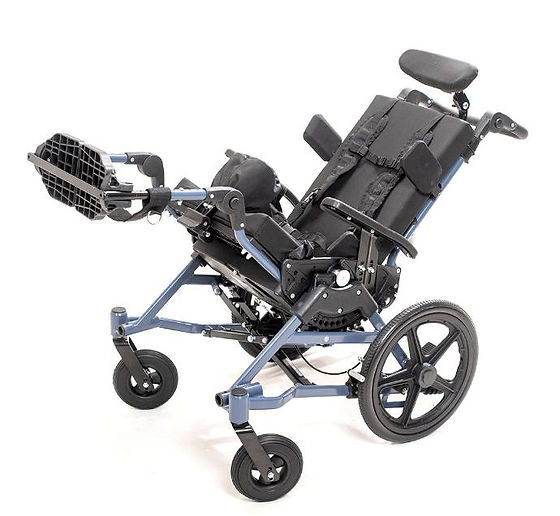
A tilt-in-space wheelchair works differently. Instead of just the backrest moving, the entire seat system tilts as one piece , the seat, the backrest, and the footrest all move together, like tipping a chair backward on its back legs. The angle between the hip and the back stays the same. Nothing slides. Nothing shifts.
Why does this matter so much? Two big reasons: pressure relief and posture support.
Pressure relief. When someone sits in the same position for hours, pressure builds up on certain parts of the body , mostly the bottom, hips, and lower back. Over time, this pressure can cut off blood flow to the skin and lead to painful sores called pressure injuries (also called bedsores or pressure ulcers). These sores can be serious and slow to heal. Tilting the chair every so often , even just 15 to 20 degrees , shifts the person's weight to a different part of their body. This gives the skin a break and lowers the risk of these sores forming.
Posture support. Some people have limited control over their trunk (the middle part of the body) or their head. Without support, they may slump, lean to one side, or slide down in the seat. A tilt-in-space chair helps gravity work with the body instead of against it. When the whole seat tilts back, gravity gently presses the person into the seat and backrest, which helps keep the spine, hips, and head in a safer, more comfortable position. This can also make it easier to swallow, breathe, and stay alert.
Tilt position needs to be adjusted throughout the day, so the tilt mechanism should be a simple lever. Tilt that requires tools is not ‘tilt in space’. Who wants to dig out tools many times a day?
In short: tilt-in-space is not just a comfort feature. It is a health tool. It protects the skin, supports the body, and can even improve daily quality of life for the person using the chair.
Questions to Ask Before You Buy
Buying a wheelchair is a big decision, and it is easy to feel overwhelmed by all the options. Here are the key questions to bring to your supplier or therapist.
What is the hip width range? Every chair has a minimum and maximum seat width it can be adjusted to. You want a chair that fits the person's hips snugly but not tightly. If the chair is too wide, the body can lean or slide. If it's too narrow, it can cause pressure sores or discomfort. Ask what the adjustable range is, not just the size it ships in.
How much does the seat recline, and how far does it tilt? "Recline" and "tilt" are two different things, even though people mix them up. Recline changes the angle between the seat and the backrest (like a reclining office chair). Tilt moves the whole seat system back as one unit. Many chairs offer both features together. Ask how many degrees of tilt the chair offers (research shows that 25 degrees is a minimum and 45 degrees is best) and whether recline is included too. More range gives more options for pressure relief and comfort throughout the day.
How much does the chair weigh, and how much weight can it hold? This matters for two reasons. First, if you will be lifting the chair into a car or van, a lighter frame makes a huge difference for your own back and shoulders. Second, every chair has a maximum weight capacity, this includes the person's body weight and anything else on the chair, like a bag or tray. Always check this number and leave some buffer room for growth or changes over time.
Does the chair fold or take apart for transport? If you travel often, or if you need to fit the chair into a smaller car trunk, ask whether the frame folds, whether the wheels pop off, and how heavy each piece is once it's broken down. Ask for a video demonstration because some are so complicated that transport is not practical. Other chairs are built to stay in one piece and are better suited to being transported in a wheelchair-accessible van instead.
Growth Room - Why a Chair That Grows Saves You Time and Money
This section is especially important for parents and caregivers of children. Kids grow fast, and a wheelchair that fits perfectly today might be too small in a year or two.
Pediatric tilt-in-space wheelchairs like Cub are built with growth range built in, and expansion kits can be added as the child gets bigger.
Choosing a chair with built-in growth room means you are not starting from scratch every time the child grows. Instead of buying a brand-new chair every 12–18 months, a good growth-capable chair might last 3 to 5 years with adjustments along the way.
This saves money, yes, but it also saves something harder to measure: disruption. Every new chair means a new fitting, a new adjustment period, and often paperwork with insurance or funding programs. A chair that grows with the child means fewer transitions, fewer appointments, and more stability for the whole family.
When you're shopping, ask directly: "How much growth is built into this chair, and what parts need to be replaced versus just adjusted?" A good supplier should be able to walk you through the growth plan for at least the next two to three years.
Accessories That Actually Matter
Wheelchair accessories can add up quickly in cost, so it helps to know which ones genuinely improve safety and comfort versus which ones are nice extras.
Headrest. For anyone with limited head or neck control, a good headrest is not optional, it's essential. It keeps the head supported, especially when the chair is tilted back. Look for one that is adjustable in height, depth, and angle, since head position needs may change throughout the day or as the person grows.
Harness or seatbelt system. A proper harness keeps the person safely positioned in the seat, especially during tilt or recline. This isn't just about staying in the chair , it also helps prevent the body from sliding or twisting into an unsafe posture. Ask about chest harnesses, hip belts, and how easy they are to put on and take off, especially if you'll be doing it multiple times a day.
Activity tray. A tray that attaches to the front of the chair gives a stable surface for meals, tablets, books, or toys. Some trays are clear so the person can still see their hands and lap. Look for one that is easy to attach and remove, and that doesn't block the view or get in the way of a caregiver helping with transfers.
All-terrain wheels. If you spend time outdoors, on grass, gravel, or uneven sidewalks, regular wheels can get stuck or make the ride bumpy and uncomfortable. All-terrain wheels are wider and have deeper tread, similar to a bicycle tire, which makes it much easier to push the chair over rough ground. This is especially worth considering for families who like to be active outside or who live somewhere without smooth, paved paths everywhere.
Other accessories worth asking about include lateral trunk supports (for extra side support), swing-away footrests (which make transfers easier).
A Caregiver's Checklist to Bring to Any Fitting
Fittings can be a lot to take in, there's a lot of information, and often a room full of people (therapists, suppliers, sometimes insurance reps). Bring this checklist with you so you don't forget to ask the important questions.
Before the appointment:
Write down current measurements (hip width, seat depth, height)
Note any pressure sore history or skin concerns
List daily activities the chair needs to support (school, meals, outdoor time, therapy)
Bring a list of vehicles the chair will need to fit into
Questions to ask at the fitting:
What is the hip width range, and how much extra room does it allow?
How many degrees of tilt and recline does this chair offer?
What is the total weight of the chair, and what is the maximum weight it can hold?
Does it fold or come apart for transport? How heavy are the pieces?
What growth adjustments are built in, and how many years of growth does this cover?
What accessories are included versus what needs to be purchased separately?
How is the headrest adjusted, and can it be changed as needs change?
What kind of harness comes with the chair, and is it easy to use daily?
Is a tray included, and does it attach and remove easily?
Are all-terrain wheels an option, and is there an added cost?
What does the warranty cover, and how long does it last?
Who do I contact for repairs or adjustments after the fitting?
After the appointment:
Have the user sit for at least a few minutes to check comfort
Test the tilt and recline functions yourself, if possible
Practice folding, transporting, or transferring in and out of the chair
Ask for a written summary of the settings and adjustments chosen
Final Thoughts
Choosing the right tilt-in-space wheelchair is about more than picking a color or a style. It's about finding a chair that protects the skin, supports the body, grows alongside the person using it, and fits into daily life without adding stress. Take your time, ask questions, and don't be afraid to ask for a trial period if one is available. The right chair can make a real difference, not just for comfort, but for health and independence every single day.


Comments